Rainwater Harvesting for Home Gardens: A Simple Starter Guide
16,178 views
Introduction
If you love gardening, you already know that water is one of your garden’s most precious resources. But rising utility costs, seasonal droughts, and growing environmental awareness have pushed many home gardeners to look for smarter alternatives. That’s where rainwater harvesting for home gardens comes in.
Rainwater harvesting is one of the simplest sustainable gardening practices you can start with. Instead of letting rainwater disappear into storm drains, you collect and store it for later use in your plants, raised beds, lawn, or landscape.
The concept is ancient, but modern homeowners are embracing it more than ever because it’s practical, eco-friendly, and surprisingly affordable. According to the U.S. Environmental Protection Agency, rainwater harvesting helps reduce stormwater runoff while conserving potable water resources.
If you’ve ever wondered whether setting up a rain barrel or small collection system is worth the effort, this guide will walk you through everything you need to know.
What Is Rainwater Harvesting?
Rainwater harvesting is the collection and storage of rainwater—usually from rooftops—for later use.
A basic home garden system typically includes:
A roof catchment surface
Gutters and downspouts
A filter or screen
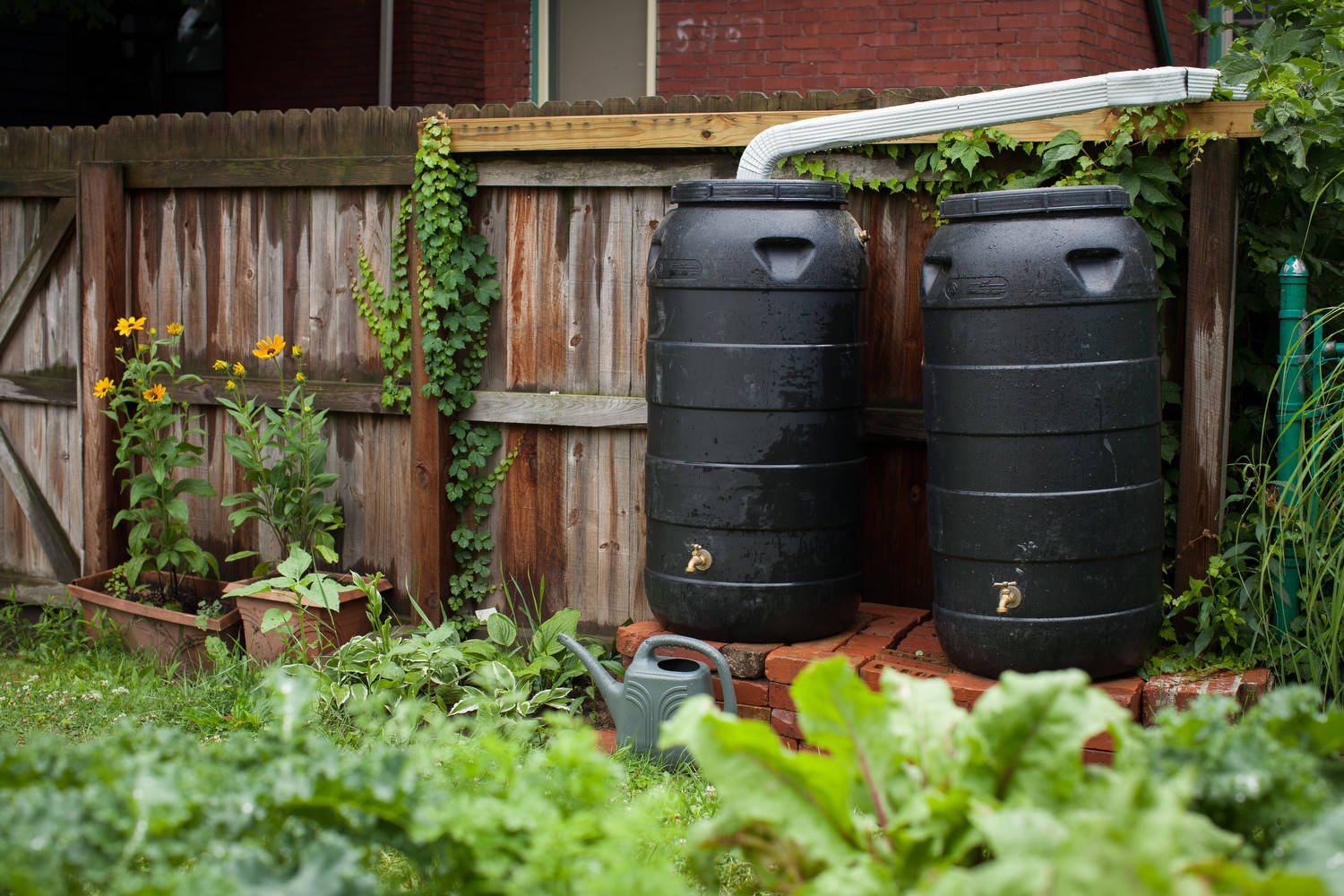
A storage container (such as a rain barrel or tank)
A tap, hose, or watering can connection
When rain falls on your roof, it flows into your gutters instead of being wasted. A harvesting system redirects that water into storage so you can use it when your garden needs it.
For most beginners, this means a simple rain barrel setup.
Why Rainwater Harvesting Makes Sense for Home Gardens
1. Lower Water Bills
Using collected rainwater reduces dependence on municipal water.
If you regularly water vegetables, flower beds, or container plants, your monthly utility bill can rise quickly—especially in dry seasons.
Even a modest system can offset some of that cost.
2. Better for Plants
Many gardeners notice healthier plants when using rainwater instead of treated tap water.
Why?
Rainwater is naturally soft and typically free from chlorine and some treatment chemicals found in municipal supplies.
This can be especially helpful for:
Tomatoes
Herbs
Roses
Blueberries
Houseplants
Seedlings
3. Reduced Stormwater Runoff
Heavy runoff contributes to erosion, flooding, and pollution in waterways.
Capturing rainwater helps reduce that burden.
The EPA highlights stormwater management as one of the major environmental benefits of rainwater collection.
4. Greater Garden Resilience
During watering restrictions or dry spells, stored water can become incredibly valuable.
Having a backup water source adds flexibility and peace of mind.
Is Rainwater Safe for Garden Use?
This is one of the most common beginner questions.
The short answer: yes, for many garden uses—but with precautions.
The CDC notes that collected rainwater can contain contaminants depending on collection surfaces, debris, bird droppings, insects, and storage conditions.
Best practices include:
Use harvested water primarily for ornamental plants and landscape irrigation unless local guidance says otherwise.
Avoid spraying edible leaves right before harvest.
Keep storage containers covered.
Install debris screens.
Clean gutters regularly.
Use first-flush diverters if possible.
For basic home gardening, careful handling makes rainwater a practical resource.
Types of Rainwater Harvesting Systems for Beginners
1. Rain Barrel System
This is the easiest and most affordable option.
Best for:
Small gardens
Container plants
Beginners
Budget-conscious homeowners
Typical capacity:
40–80 gallons
Pros:
Affordable
Easy installation
Minimal space required
Low maintenance
Cons:
Limited storage
Can overflow during heavy rain
Needs occasional cleaning
2. Linked Rain Barrels
Multiple barrels connected together.
Best for:
Medium gardens
Frequent watering needs
Advantages:
More storage
Expandable over time
Better use of heavy rainfall
Drawback:
Slightly more setup complexity
3. Underground or Above-Ground Storage Tanks
Larger systems with significant capacity.
Best for:
Large gardens
Serious gardeners
Long-term water conservation goals
Pros:
High storage capacity
Better drought preparedness
More efficient for irrigation systems
Cons:
Higher upfront cost
Professional installation may be needed
How Much Rainwater Can You Actually Collect?
This surprises many gardeners.
A rough estimate:
1 inch of rain on 1,000 square feet of roof = about 600 gallons of water
Actual collection varies depending on:
Roof material
System efficiency
Rainfall intensity
Evaporation
Debris loss
Even small roofs can collect meaningful amounts.
For example:
A 500-square-foot roof section receiving 1 inch of rain could collect roughly 300 gallons.
That’s enough for substantial garden watering.
How to Set Up a Simple Rain Barrel System
Step 1: Choose the Right Location
Place your barrel:
Near a downspout
On level ground
Close to the garden
Away from your home’s foundation overflow risk
Elevating the barrel improves water pressure.
Step 2: Pick a Suitable Container
Look for:
Food-safe materials
UV-resistant construction
Tight-fitting lid
Overflow outlet
Built-in spigot
Avoid containers that previously stored chemicals.
Step 3: Install a Debris Screen
This helps keep out:
Leaves
Twigs
Mosquitoes
Dirt
A mesh screen is one of the simplest but most valuable additions.
Step 4: Redirect the Downspout
Use:
A diverter kit
Flexible downspout extension
Direct cut connection
Ensure water enters cleanly without splashing.
Step 5: Add Overflow Management
Without overflow control, heavy rain can create pooling.
Route excess water toward:
Gravel drainage
Lawn areas
Rain gardens
Safe runoff zones
Common Mistakes Beginners Make
Ignoring Local Rules
Rainwater collection laws vary by location.
Some regions regulate collection methods or usage.
Always check local environmental or municipal guidance before installing a system. The CDC specifically recommends verifying local rainwater rules.
Using Dirty Gutters
Your roof is your catchment system.
If gutters are full of debris, water quality suffers quickly.
Clean seasonally.
Forgetting Mosquito Prevention
Standing water attracts insects.
Prevent issues by:
Keeping lids sealed
Using fine mesh screens
Eliminating open water exposure
Buying Too Small
Many beginners underestimate watering needs.
A single barrel fills quickly—and empties quickly.
Think about:
Garden size
Local rainfall
Summer watering frequency
Cost Breakdown: What Should Beginners Expect?
Approximate starter costs:
Item | Estimated Cost |
|---|---|
Rain barrel | $50–$200 |
Downspout diverter | $20–$60 |
Mesh filter/screen | $10–$30 |
Hose connection | $10–$40 |
Barrel stand | $30–$100 |
DIY setups can be cheaper.
More advanced systems can run into hundreds or thousands.
Rainwater Harvesting vs Tap Water for Gardening
Feature | Rainwater | Tap Water |
|---|---|---|
Cost | Free after setup | Ongoing utility cost |
Chlorine | Usually none | Often present |
Sustainability | High | Lower |
Availability | Weather dependent | Consistent |
Storage required | Yes | No |
For most home gardeners, a hybrid approach works best.
Maintenance Checklist
To keep your system working well:
Monthly:
Inspect screens
Check for leaks
Empty debris
Seasonally:
Clean gutters
Flush barrel if needed
Inspect overflow paths
Before winter (cold climates):
Drain system
Disconnect hoses
Prevent freeze damage
Low maintenance doesn’t mean zero maintenance.
Smart Upgrades for Growing Gardeners
Once comfortable, consider:
First-Flush Diverter
This diverts the dirtiest initial runoff.
Improves stored water quality.
Drip Irrigation Connection
Excellent for efficient watering.
Benefits:
Less evaporation
Consistent moisture
Better plant health
Rain Sensor Integration
Helps automate watering decisions.
Great for larger gardens.
FAQ
Is rainwater harvesting legal everywhere?
No. Rules vary by country, state, or municipality. Always check local regulations.
Can I water vegetables with rainwater?
Often yes, but best practices matter. Avoid direct contact with edible portions close to harvest unless local guidelines specifically support it.
How long can rainwater be stored?
It depends on storage conditions.
Covered, clean systems last much longer than open containers.
Regular inspection helps maintain quality.
Do rain barrels attract mosquitoes?
They can if poorly maintained.
A sealed system with mesh protection greatly reduces risk.
Is rainwater harvesting expensive?
Not necessarily.
A beginner setup can be affordable, especially compared with larger irrigation systems.
Conclusion
Rainwater harvesting for home gardens is one of the most accessible sustainability upgrades a gardener can make.
It lowers water costs, supports healthier gardening habits, reduces environmental impact, and makes your garden more resilient during dry weather.
The beauty is in its simplicity.
You don’t need a complicated engineered system to begin.
A single well-maintained rain barrel can be enough to start building smarter water habits—and once you see the benefits, expanding becomes easy.
For gardeners who care about nature, conservation, and practical self-sufficiency, rainwater harvesting is a natural next step.
rainwater harvesting
sustainable gardening
water saving
eco gardening
garden irrigation
Found this helpful? Share it!
8 Comments
K
khakha khikhi
محتوي جيد
Replying to
K
Kanara Shetty
Super
Replying to
T
Insightful and compelling content throughout.
Replying to
M
mahtab
hi mahtab
Replying to
C
gsdggf
Replying to
S
Recent trends show a clear shift toward climate-resilient and data-driven gardening, where timing and plant selection are tailored to local conditions instead of generic calendars
Replying to
M
The same time as
Replying to
O
oloy
lovely edition
Replying to